✍️ Dr. Abhey Wankhede
MCVK Vidyalaya – Indore
October 2026
A child scores good marks, speaks confidently, understands technology, and eventually secures a well-paying job. As parents, we feel satisfied that we have provided our child with a good education. But life extends far beyond examinations, degrees, and careers. When that same child encounters difficulties in relationships, experiences failure, or struggles with inner dissatisfaction, an important question arises—Have we taught our children how to succeed in the world, but forgotten to teach them how to understand themselves and life itself?
Have we taught them how to compete, but also how to ensure justice in relationships? Have we taught them how to benefit from nature, but also how to live in harmony with it? These questions bring our attention to an educational initiative at Manav Chetna Vikas Kendra (MCVK) Vidyalaya, Indore, which offers an opportunity to reconsider the fundamental purpose of education.
At MCVK, an important distinction is made between Skills, Literacy, and Education. Skills enable us to perform tasks, while literacy equips us with the ability to read, write, and acquire information. Education, however, is understood as something much deeper—the process of understanding oneself, recognizing the purpose of life, and identifying one’s participation in the family, society, and nature. Instead of asking children only, “What do you want to become when you grow up?”, perhaps we should also ask a more meaningful question—“What kind of human being do you want to become?”
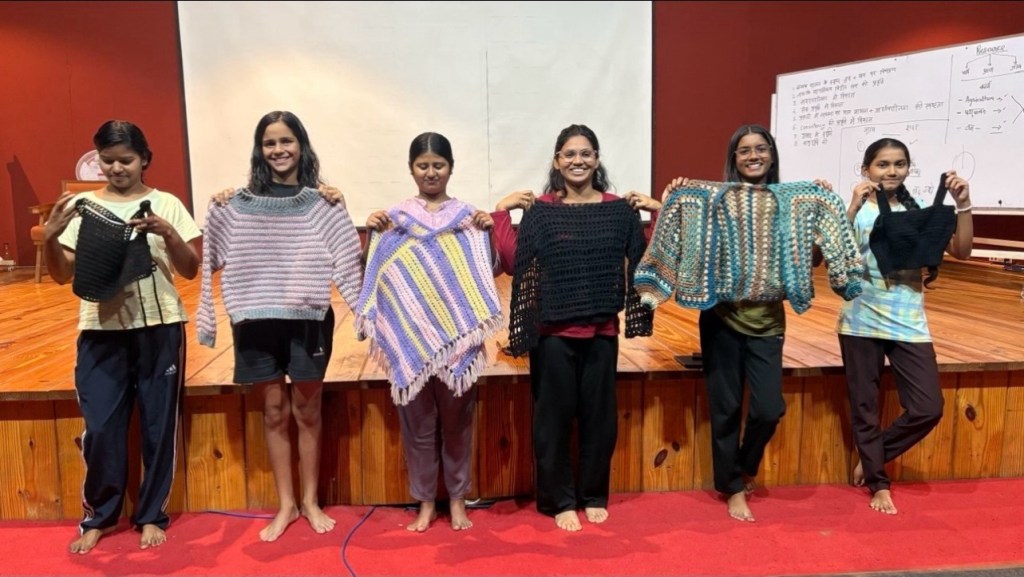
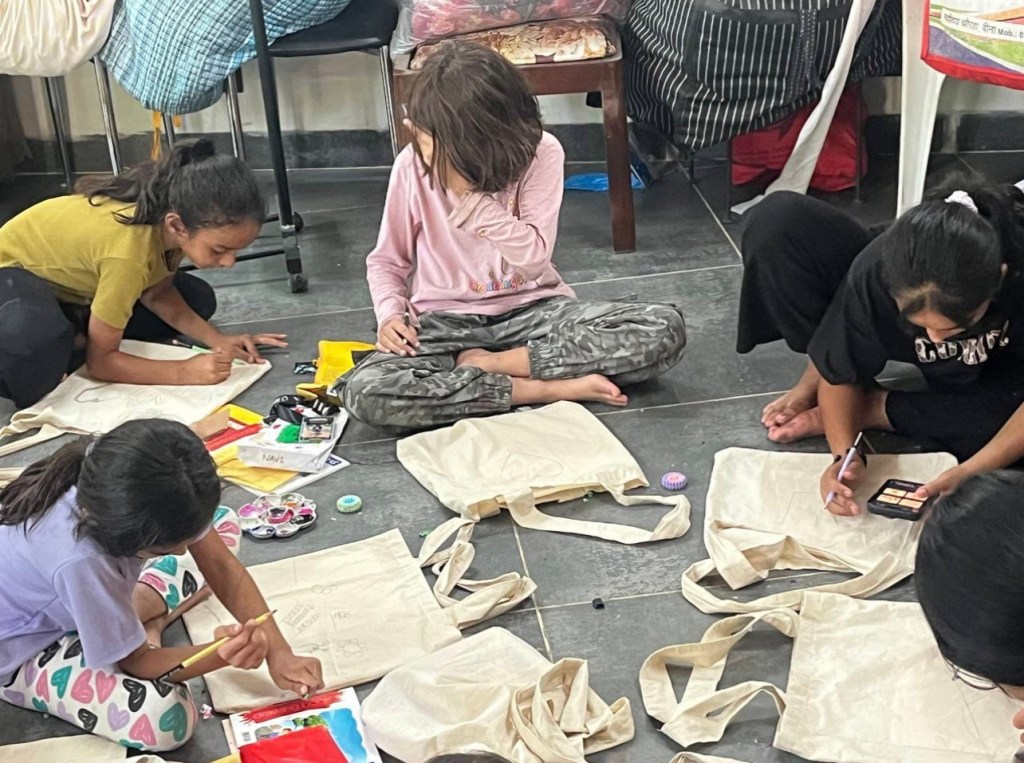
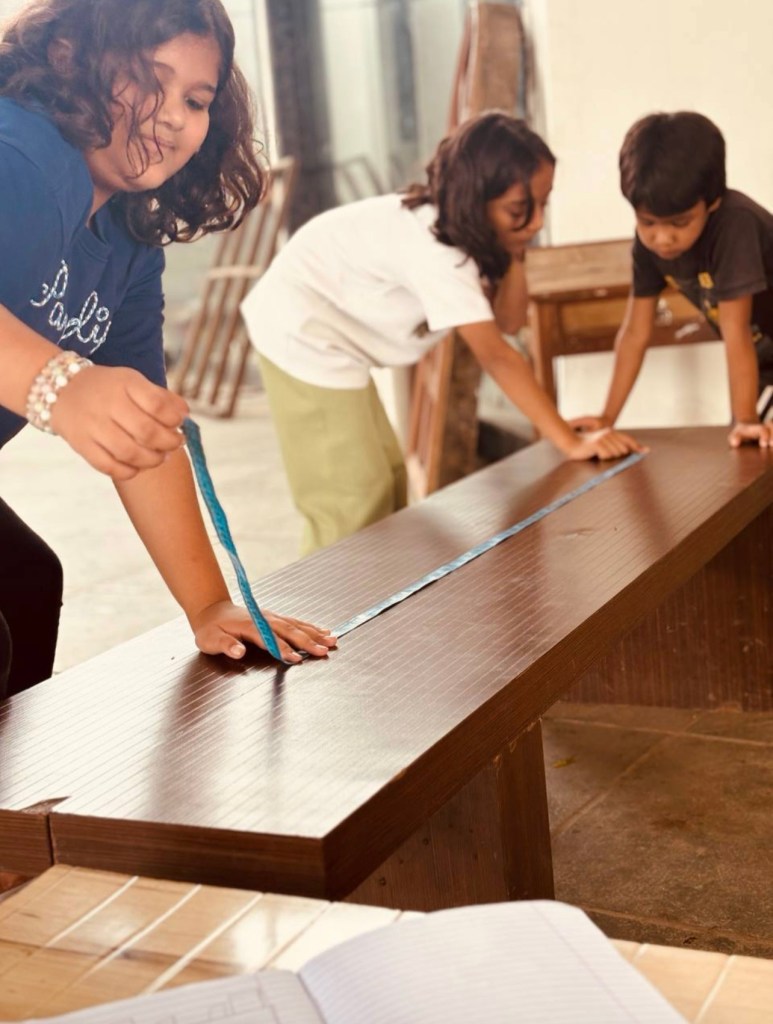
For generations, we have largely associated education with classrooms, textbooks, examinations, and academic results. MCVK Vidyalaya attempts to broaden this understanding. Within its approximately 16-acre residential campus and associated agricultural land, learning extends beyond textbooks. Discussions, meaningful conversations, educational visits, presentations, music, dance, theatre, and experiences of living close to nature become integral parts of the learning process. The intention is not to move away from books, but to connect what children learn in books with their everyday lives and conduct.
This philosophy is expressed through a simple yet profound statement—“Complete Education = Language + Conduct.” We devote considerable attention to developing children’s language, communication skills, and knowledge. However, their conduct is equally important. Does confidence come with inner contentment? Is there justice in relationships? Does family prosperity go hand in hand with responsibility towards society and sensitivity towards nature? When education begins to address these questions, it moves beyond the transmission of information and becomes a process of developing understanding in human beings.
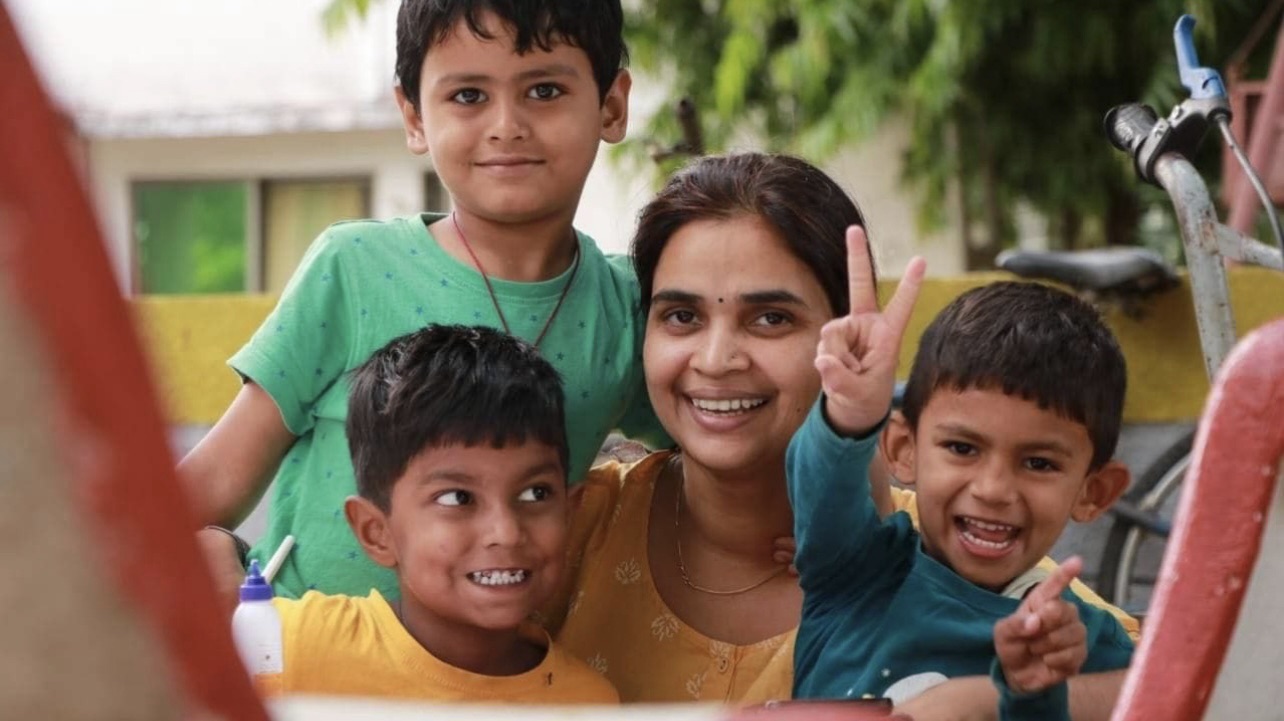
Another distinctive feature of MCVK Vidyalaya is its approach—“No Fees for Children, No Salary for Teachers.” The families collectively take responsibility for meeting the school’s requirements, while teachers view teaching not merely as a salaried profession but as a responsibility rooted in a shared purpose. It would be unrealistic to claim that this arrangement can be replicated in every school or under all circumstances. Nevertheless, it raises an important question—Is the relationship between a teacher and a student merely professional, or does it carry a greater responsibility towards the next generation?
This educational initiative does not suggest that conventional schooling or higher education is fundamentally wrong. Across the country, thousands of dedicated teachers in schools, colleges, and universities work tirelessly to shape the future of younger generations. Their experience and commitment offer valuable lessons. MCVK Vidyalaya simply introduces another question into this ongoing dialogue—Can education prepare children not only for employment but also for life? Can modern knowledge, science, and technology be combined with opportunities to understand oneself, relationships, society, and nature?
Perhaps meaningful transformation in education will not emerge from a single institution or teaching methodology. It will begin when teachers, parents, and educational institutions collectively revisit a fundamental question—Do we want our children merely to become successful, or do we also want them to become human beings who are content within themselves, just in their relationships, responsible towards society, and capable of living in harmony with nature?
Perhaps the true purpose of education is not to choose between success and understanding, but to make both possible together.