At Cornucopia, an encounter with coexistence—and the possibility of a prosperous shared life rooted in nature, work and relationships
Indore, 15 November 2026
Writer ✍️– Mohit Dhawan
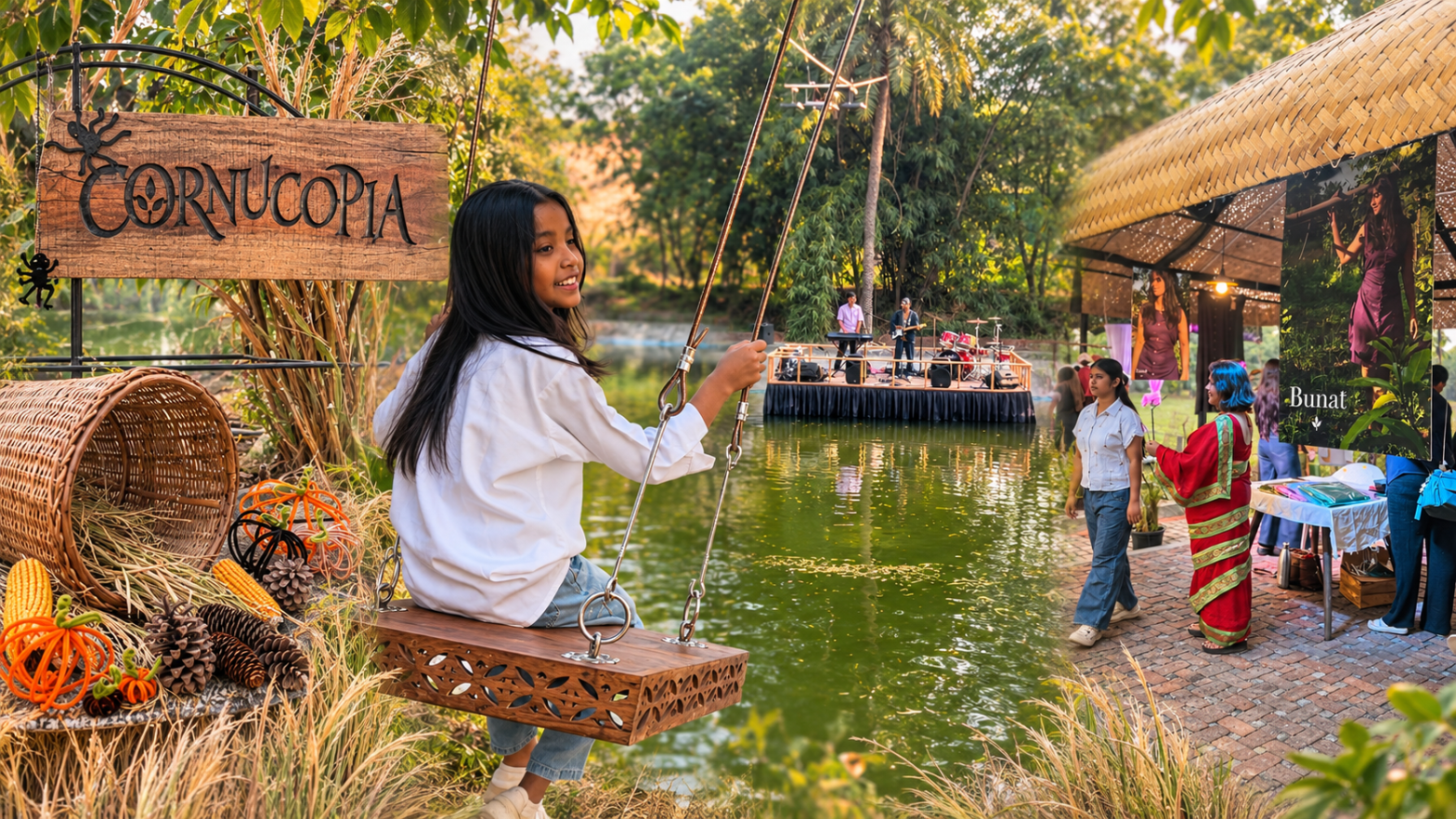
Music drifted from a stage set in the middle of the pond. Nearby, some visitors were enjoying coffee, others were exploring with their children, and a few had paused to browse the stalls. As evening deepened, life at MCVK gradually unfolded before them—the effort, the warmth, the products made by its residents, and their enthusiasm for sustaining a community together.
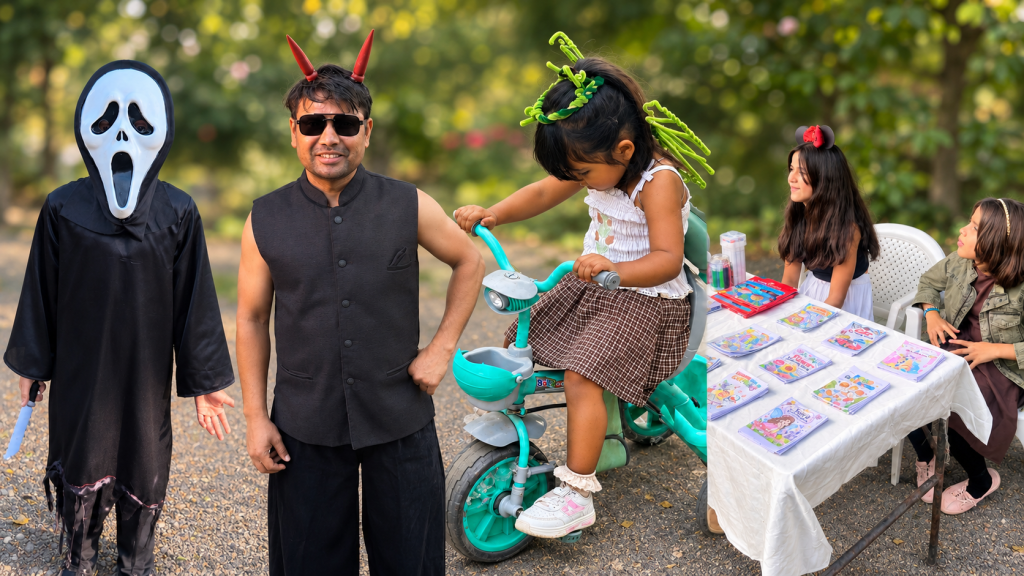
We had travelled about 15 kilometres from Indore to reach Cornucopia. This edition of the monthly gathering had a Halloween theme, with plenty to delight the children. Adults, too, could explore, enjoy the food and listen to music. Yet, as the evening progressed, it became clear that the gathering also offered a chance to pause and observe a way of living that we often discuss but rarely have the opportunity to encounter closely.
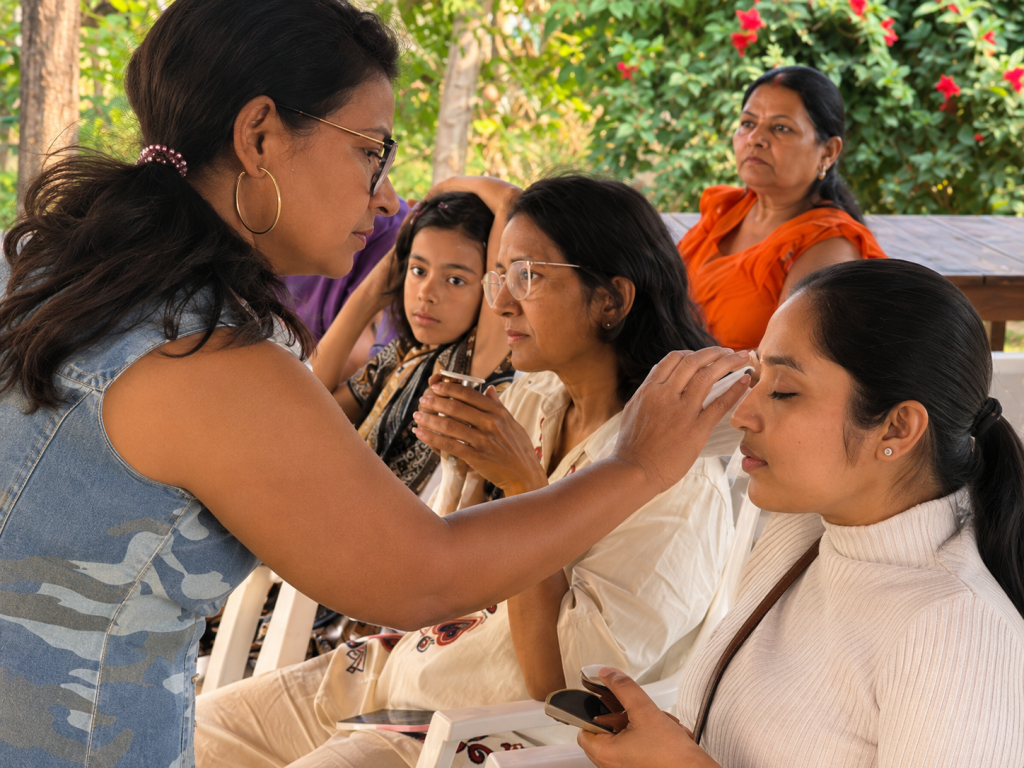
Akanksha Didi welcomed visitors with tilaks and bindis. After a welcome drink, Rajeev Bhaiya introduced them to the community’s way of life. As he spoke, curiosity grew. How did so many people live together? How did they meet their everyday needs? What did they produce here? With these questions in mind, visitors set out to explore the campus.
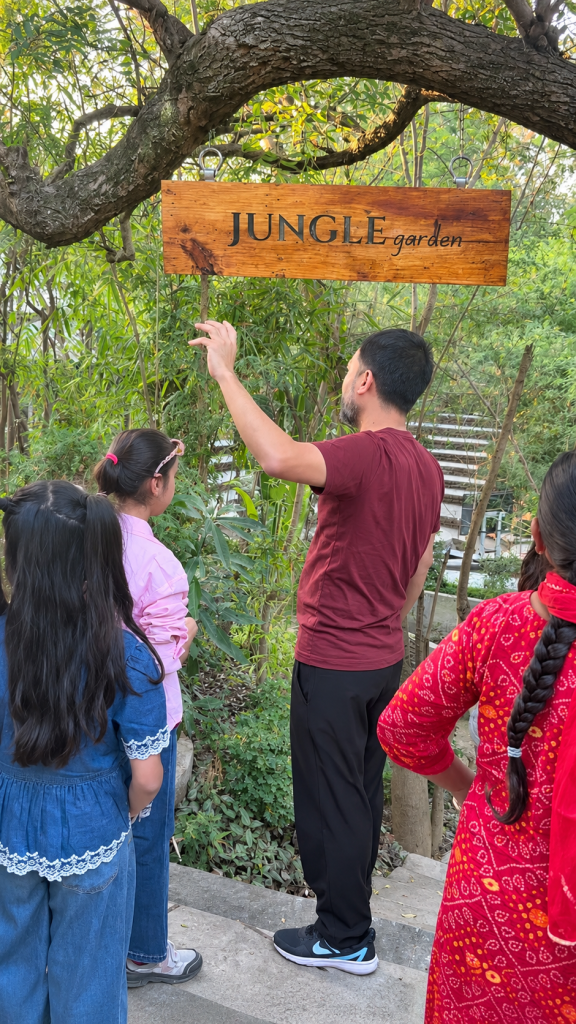
One group headed towards the production units, while another entered the wooded part of the campus for birdwatching. Dr Abhay Wankhede, Ashok Bhaiya, Kishore Bhaiya , Soumya Pandey , Prachi Patel Kaul and Palak Didi were among those guiding the groups.
Watching birds asks us to slow down. We must let our eyes linger on the trees and pay attention to the sounds around us. How often do we make time for such closeness to nature in the rush of everyday life? Here, the opportunity came naturally. Meanwhile, at the production units, visitors were learning how articles of daily use were made.
As dusk settled, people made their way towards Grove Café. Conversations flowed over coffee, snacks and ice cream. On the stage in the pond, Mihir and Anubhav brought the setting alive with their singing and instrumental music. After walking around, simply sitting down, talking with companions and listening to the performance offered a quiet sense of ease.
The stalls around the pond displayed clothes, spices, pickles, snacks, bakery products and pure desi ghee made at MCVK. Vegetables grown on the campus were also available for sale. Looking at these products brought to mind the work and understanding behind them. The results of activities visitors had just encountered were now before them. The connection between those who made the products, the place where they were made and those who would use them became easier to see.
Visitors were then invited to the Pavilion amphitheatre, where the children presented a play titled The Human Journey of Exchange. It drew attention to the ways human beings have exploited and mistreated nature, animals and one another.
Watching children bring this subject to the stage left a thought lingering in the mind: we want to build a better future for them, but where is our behaviour today leading that future? Directed by Anish Bhaiya and coordinated by Purva and Indu Didi, the play was warmly appreciated. Along with the children’s effort, its message reached the audience.
After the performance, Ajay Dayma, founder of Manav Chetna Vikas Kendra (MCVK), briefly explained the purpose behind establishing the centre. He also spoke about the contribution of families to building a humane social order, the ways they could participate, and the process of becoming involved with the centre.
Dinner brought another form of participation into view. Instead of paying for the meal with money, visitors were invited to contribute hours of work. They could return to the campus later to fulfil this contribution.
The invitation gave the meal an added meaning. A visitor could become part of the community’s efforts through time, cooperation and work. It offered another reason to return: to lend a hand in sustaining an arrangement whose hospitality one had enjoyed.
The evening concluded with an engaging session of horror storytelling, coordinated by Gautam Bhaiya and Navneet Didi. In keeping with the Halloween theme, it had a charm of its own. By now, evening had given way to night and the gathering was drawing to a close. For some visitors, however, their acquaintance with the community was only beginning.
Chanda Bhatt, who had come with her family, said the gathering had touched her heart. She hoped to explore Madhyasth Darshan, the philosophy of coexistence, more deeply in the days ahead. Soma Dutta, Rakhi Parihar , Meena Jain and Darshan Dheer who was visiting from the United States, were struck by the community’s way of life. Their responses carried a searching curiosity: could so many people really live together with such happiness, free from fear and anxiety?
An evening cannot offer a complete understanding of a way of life. But there is value in seeing it, meeting the people who practise it, and feeling the desire to return.
We left Cornucopia with memories of music and food, and a wish to understand its life more closely. The evening had left us with a question: as we meet our own needs, how can we also contribute to one another’s happiness?